
The Materials Research Laboratory (MRL) just closed Fiscal Year 2026, a busy, productive year marked by several large interdisciplinary projects. Under Prof. Cem Tasan's leadership as the new MRL Director, MRL’s vision focuses on bringing together faculty, students, and industry partners to progress interdisciplinary research in advanced materials. The largest proposals submitted this year clearly reflect that vision. Additionally, MRL plans to launch its new Pilot Center initiative and the MRL Seed Grants later this year, which focus on direct collaborations between industry and faculty.
Some of the major proposals submitted by MRL during the past fiscal year include:
- MIT Materials Research Science and Engineering Center (NSF) led by Prof. Rafael Jaramillo and Prof. Caroline Ross.
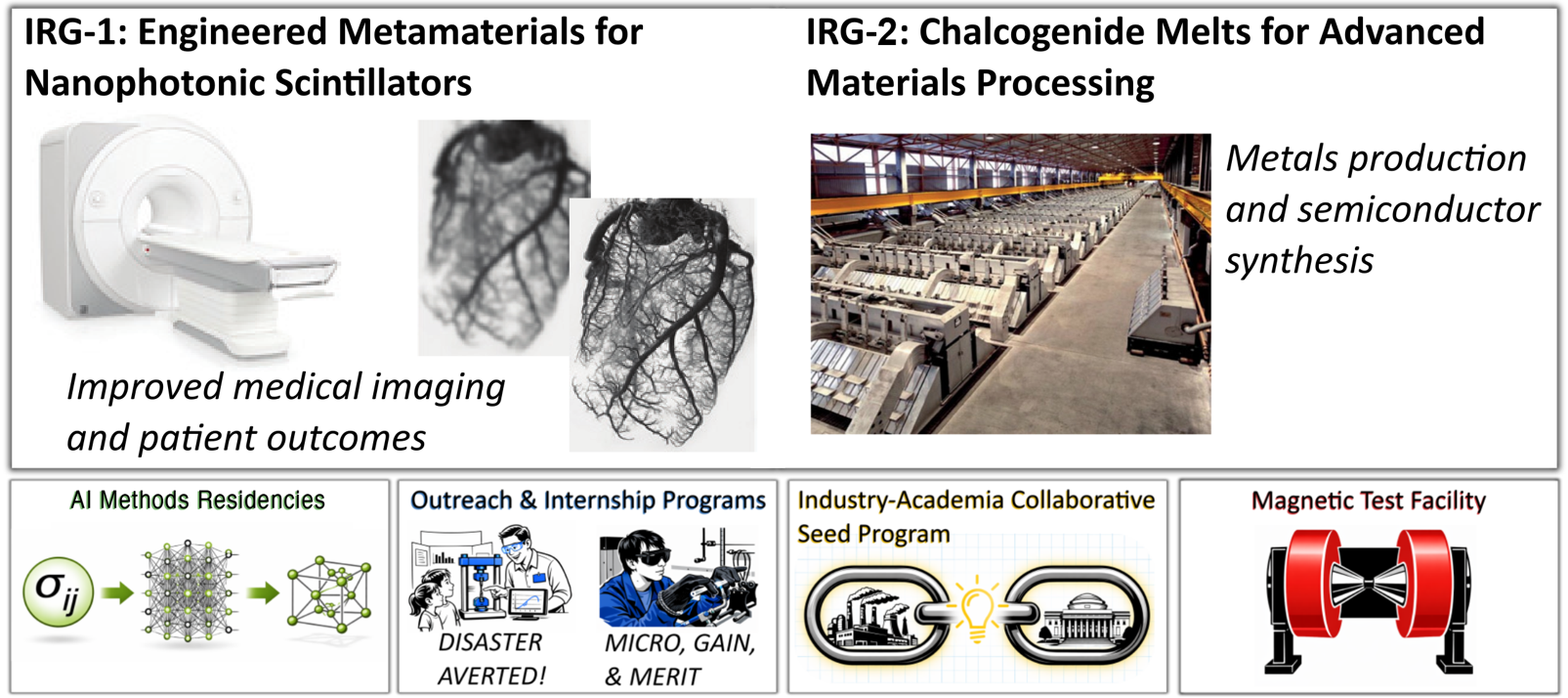
Figure 1
The MIT Materials Research Science and Engineering Center (MRSEC) was awarded in August and launched September 1. It includes two IRGs and 16 investigators from across MIT and external institutions, including MGH, UCSB, and Yale University. MIT MRSEC will be a 6-year project with an anticipated total funding of $18M.
MRSEC will pursue Disruption through Materials. MRSEC has identified opportunities for disruption through research in medical imaging, metals production, and semiconductor synthesis. Additional opportunities for disruptive real-world impact will be pursued through an Industry-Academia Collaborative Seed Program.
MRSEC will develop a public outreach effort (DISASTER!) that will tell stories of real-world historical disasters caused by materials failure, and how subsequent disasters have been averted through disruptive breakthroughs in MSE.
Additionally, MRSEC will also have a multi-tiered internship program that will target gaps in MSE education, facilitate pathways to MSE careers across skill levels, and deliver specific outcomes for participation with quantifiable cross-sector impact including industry internships.
- Magnetic Acceleration Generating New Innovations and Tactical Outcomes (ARPA-E) led by Prof. Caroline Ross and a team of four Co-Investigators from different MIT departments.
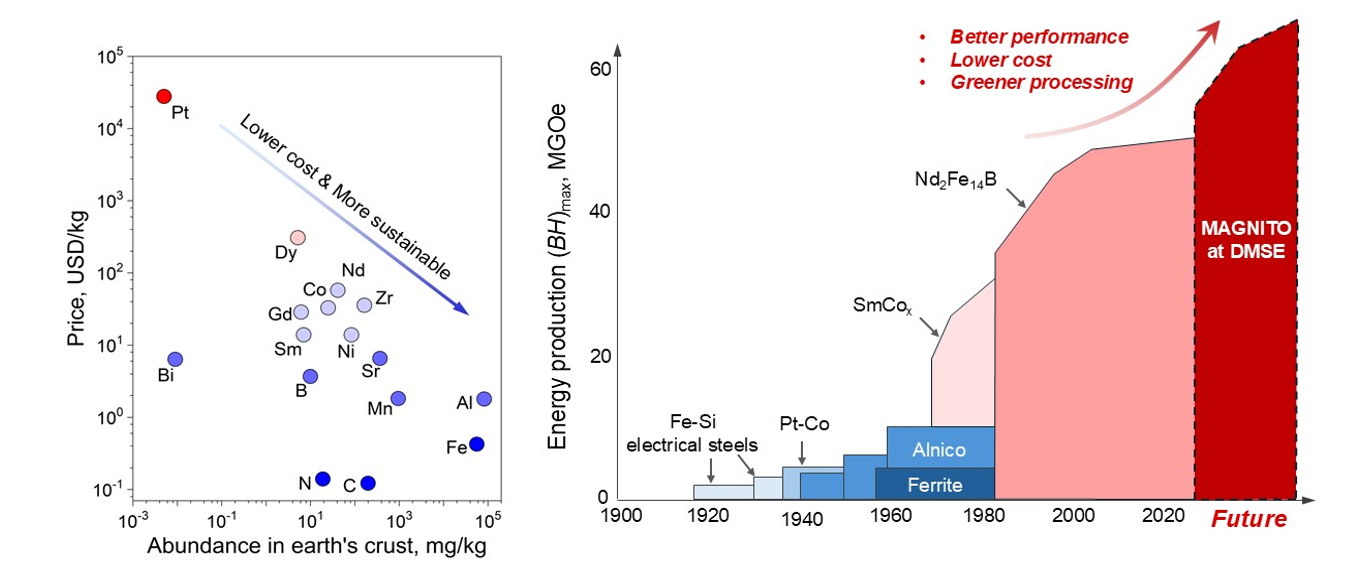
Figure 2: Credited to MAGNITO team in DMSE.
Magnetic Acceleration Generating New Innovations and Tactical Outcomes (MAGNITO) was awarded in July; it is a 3-year project totaling $2.45M.
In response to the emerging demand for high moment magnets with lean critical element content, the MIT team proposes a theory-informed integrated computational-experimental project to accelerate the discovery of transition metal-based multi-interstitial magnetic alloys that can be fabricated in bulk form.
- Iron Production by Molten Sulfide Electrolysis (DOE-EERE) led by Prof. Antoine Allanore and Prof. Elsa Olivetti.
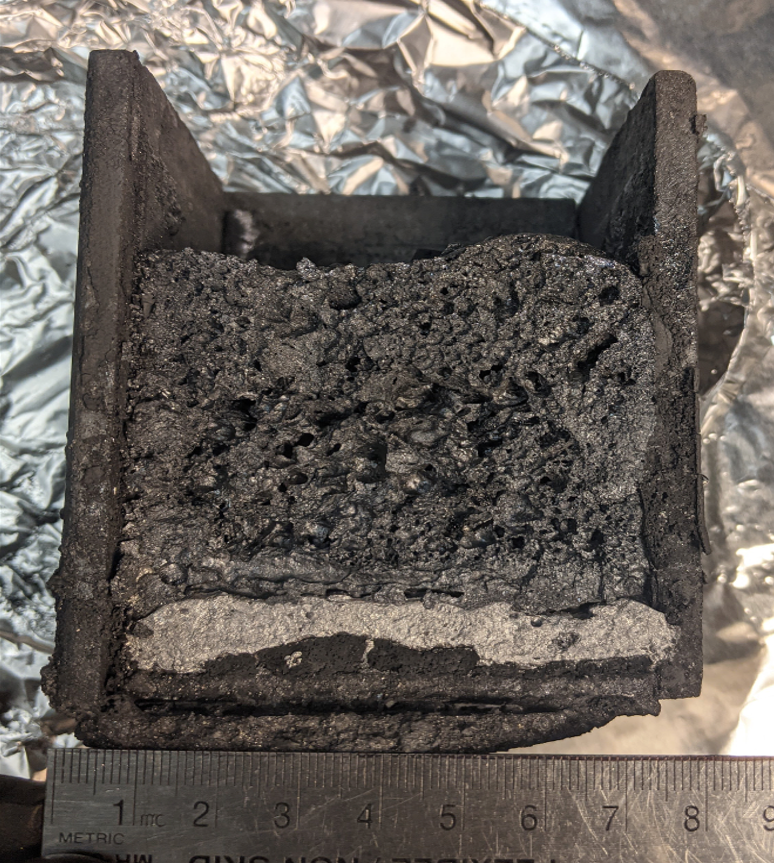
Figure 3: Cross section of an electrolysis cell showing iron production at a scale of about 1/100 of this project objective
This project was awarded for 3 years for a total of $5.6M.
This project investigates a new flow-sheet to directly produce iron products using a new electrolytic process. This new approach aims to reduce energy consumption for iron production by up to 60% and reduce costs by 60% compared to the Blast-furnace. The project will bring the core reactor technology to a size ready for pilot-scale implementation for sulfidation and electrolysis, generating experimental and modeled data to confirm energy and cost predictions.
- FAST: Fusion rate Amplification by Stimulated Transfer (DARPA) led by Prof. Yet-Ming Chiang and Prof. Peter Hagelstein.
This project was awarded for 3 years and a total of $4M.
- Center for Interfacial Ion Interactions in Separations (DOE-EFRC) led by Prof. Jeffrey Grossman and Prof. Elsa Olivetti.
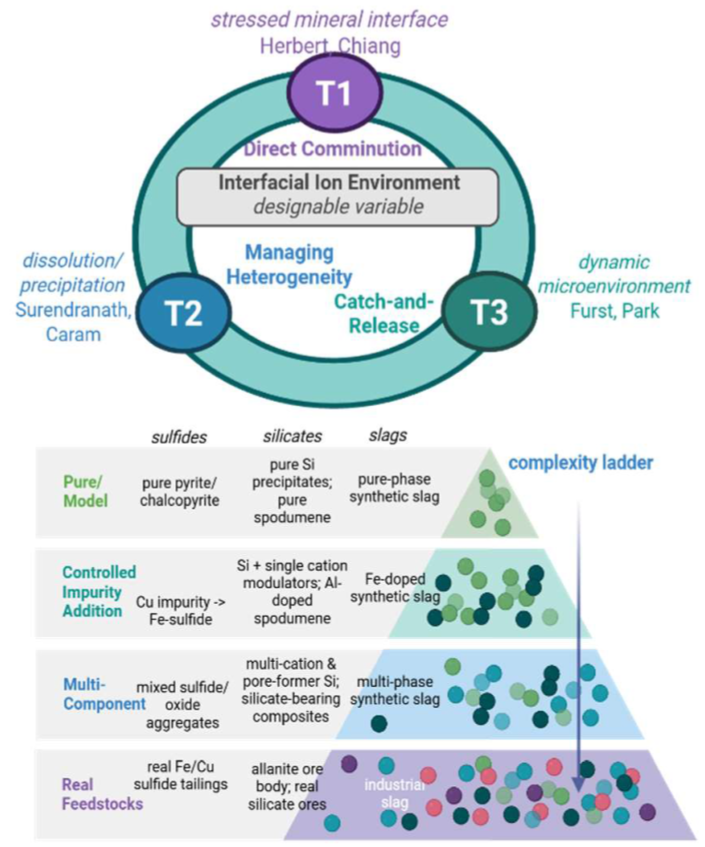
This proposal was submitted in response to Energy Frontier Research Centers (DOE) program, a multidisciplinary basic research program uniting universities, national laboratories, and private partners to solve major energy science challenges.
This proposal is a collaboration between MIT, ORNL (Oak Ridge National Laboratory), and UCLA and 15 Co-Investigators. The Center for Interfacial Ion Interactions in Separations (CIIS) is a 4-year proposal totaling $16M.
If selected for funding, the CIIIS's mission is to establish the interfacial ion environment as a designable variable, resolving its mechanisms into measurable, transferable descriptors and impurity-response functions that predict when a designed microenvironment makes recovery selective and low-energy — and when it fails — across feedstock classes rather than one system at a time.